
How to Protect Crane Components from Heat and Scale in Steel Mills
/ Blog
A steel mill is one of the most demanding environments for an overhead crane. Extreme heat, abrasive mill scale, heavy loads, and continuous operation can accelerate wear on criticalcrane components.
Proactive crane maintenance and routine crane inspection can help extend equipment life, improve reliability, and reduce unexpected downtime during steel production.
Why Steel Mill Environments Are Tough on Overhead Crane Components
High temperatures, abrasive scale, airborne dust, and continuous operation can take a toll on overhead crane components. Heat can affect lubrication, electrical systems, and mechanical parts, while scale and debris can accumulate around moving components and accelerate wear.
For a steel mill crane operating frequently under heavy loads, these conditions make regular maintenance essential to long-term performance.
Which Crane Components Are Most Vulnerable?
Certain crane components are especially vulnerable to the demanding conditions found in steel mills.
Wheels and Bearings
Heavy loads, debris, and high temperatures can accelerate wear on wheels and bearings and affect lubrication. Regular monitoring can help identify abnormal wear before it impacts crane performance.
Hoists, Drums, and Wire Rope
Frequent lifting cycles, heavy loads, heat, and abrasive contaminants can contribute to wear on hoists, drums, and wire rope. These components should be checked regularly for signs of damage or deterioration.
Electrical Systems and Controls
Heat, dust, and scale can affect wiring, motors, sensors, and control systems. Keeping electrical components protected and clean can help support reliable operation.
Structural Components
Repeated loading, heat, and vibration can contribute to fatigue and deterioration over time. Structural components should be monitored for cracking, deformation, or other signs of damage.
Best Practices for Crane Maintenance in Steel Production Facilities
Preventive crane maintenance helps address wear before it leads to unexpected equipment failure.
Keep Components Clean and Lubricated
Regularly removing scale, dust, and debris can prevent buildup around moving parts. Proper lubrication is also essential for reducing friction and protecting components exposed to demanding operating conditions.
Monitor Wear and Replace Damaged Parts
Components should be monitored for abnormal or accelerated wear and replaced when necessary. Addressing worn parts early can help prevent larger equipment issues and unplanned downtime.
Why Regular Crane Inspection Matters
Routine crane inspection helps identify worn components, damaged wire rope, electrical issues, and structural concerns before they become larger problems.
A scheduled overhead crane inspection gives maintenance teams an opportunity to identify developing issues and plan repairs or component replacements before an unexpected failure disrupts production.
Special Considerations for Steel Mill Ladle Crane Applications
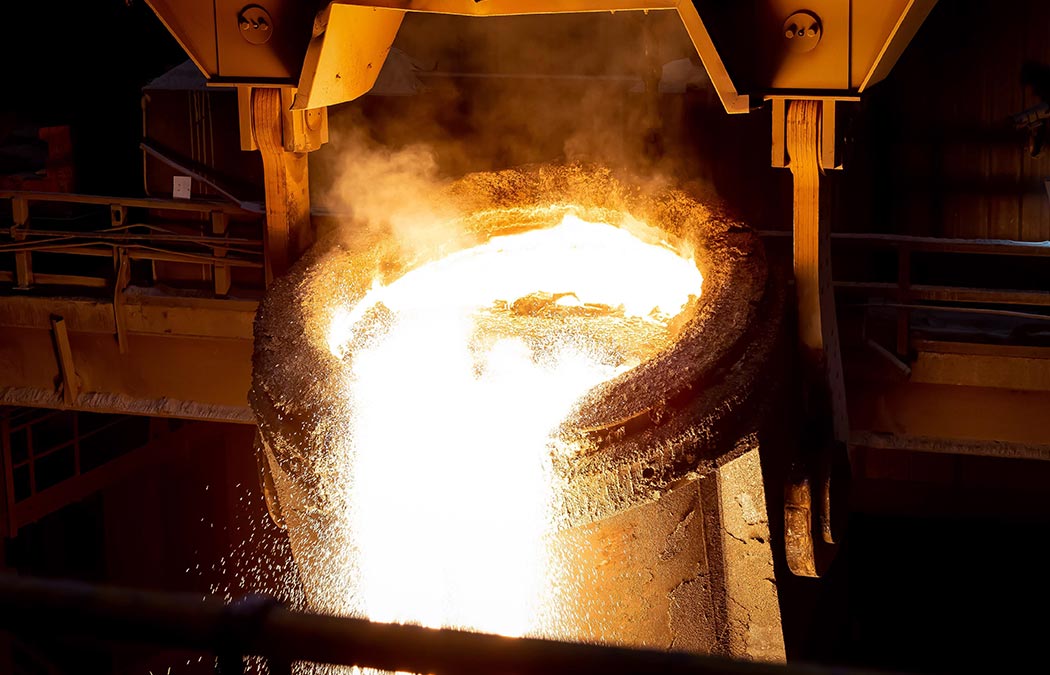
A steel mill ladle crane operates around molten metal and intense radiant heat, placing additional demands on mechanical, electrical, and structural systems.
Because of these extreme conditions, maintenance and inspection programs should account for operating temperatures, duty cycles, environmental conditions, and applicable safety requirements. Regular attention to critical components is essential for maintaining reliable operation when handling molten metal.
Keep Your Crane Components Performing at Their Best
Protecting crane components in a steel mill requires durable equipment, proactive crane maintenance, and routine inspections. Together, these practices help reduce unexpected downtime, extend equipment life, and support reliable operation.
Whether you need a routine crane inspection to identify potential issues or prompt crane repair services to restore equipment performance, Morgan Engineering has the expertise to help. Schedule a crane inspection, request crane repair services, or contact Morgan Engineering to discuss how our team can help keep your equipment performing at its best.
